We recently published a guide to improving air quality in the hotel and hospitality industry, and it was a huge hit. but one of those users contacted us and asked how to improve air quality in basement area. So, let’s cover this topic today and the best ways to improve the air quality in your home’s basement in 2026.
When it comes to indoor air quality, the basement is one of the most overlooked areas of the home. and it’s often the area with the most poor air quality, which gradually impacts the air quality of the entire home.
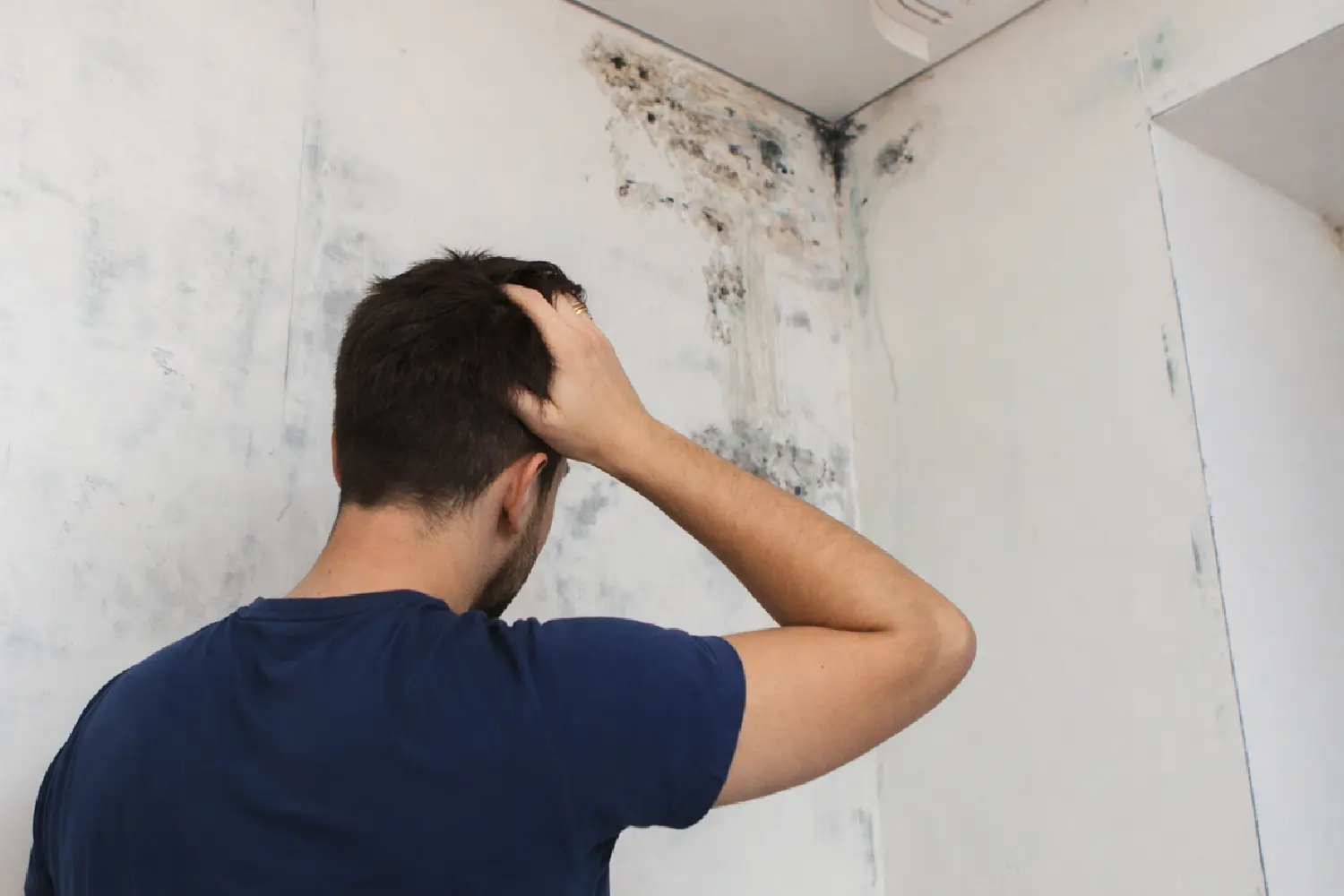
Because Basement is partially or completely underground, basements are more prone to moisture accumulation, mold, poor ventilation, and pollutant accumulation. If your basement smells musty, feels damp, or causes allergy-like symptoms, you may have poor indoor air quality.
Why Basement Air Quality Matters
Many homeowners build basements in their homes, but neglecting the space can create problems for the homeowner. many homeowners assume that basement air stays in the basement. But this isn’t true. Warm air rises from the basement, and as it rises, it pulls the basement air with it. This can cause dirty basement air to enter the living room, bedroom, and kitchen areas.
If the air quality in your basement isn’t improved quickly, you may face the following problems: Allergies and respiratory problems, worsening of asthma, and mold and mildew growth.
Therefore, you should improve the air quality of your basement so that you do not face any kind of problem.
Common Causes of Poor Basement Air Quality
Before fixing basement air quality problems, it’s important to understand what’s causing them.
Moisture and Humidity
Basements are typically cooler than the rest of the house. When warm and humid outside air enters the basement, water can accumulate on the walls and floor. If the humidity in a basement becomes too high, the air becomes heavy and breathing can become difficult.
Mold Growth
Even a little moisture can allow mold spores to grow behind walls, under carpet, or near foundation cracks.
Poor Ventilation
Many homes have few or no windows in their basements, which can lead to poor fresh air circulation and air pollution in the basement.
Volatile Organic Compounds (VOCs)
Paints, cleaning chemicals, solvents, and old furniture stored in the basement can release harmful gases (VOCs) into the air. These gases can enter the body through the breath and cause headaches, allergies, and breathing problems.
Step-by-Step Ways to Improve Basement Air Quality
So far, we’ve learned why basement air quality is poor. Now, let’s learn how to improve it.
Control Moisture and Humidity
The biggest cause of poor basement air quality is excessive humidity. When moisture is not controlled, mold, bad odors, and breathing problems can develop.
Those with the budget can quickly control humidity by using a high-capacity dehumidifier, sealing foundation cracks, and having leaking pipes repaired immediately.
Those without the budget can try opening windows in dry weather, increasing air circulation with a stand fan, immediately drying any water accumulated on the floor or walls, and reducing humidity slightly with simple household items like rock salt or baking soda.
In short, whether there is budget or not, if the humidity in the basement is controlled then the air quality improves to a great extent.
Improve Ventilation and Air Circulation
The air in a home’s basement remains fresh when there is proper ventilation. If basement air cannot escape, pollution, bad odors, and moisture remain trapped in the basement. To address this, installing an exhaust fan, opening a window slightly during dry weather, or connecting the basement to an HVAC system can be very helpful. Those with the budget can also use an ERV system.
Use a High-Quality Air Purifier
Air purifier helps clean the air in your basement. It removes mold spores, dust, allergy-causing particles, and smoke from the air. If you can afford it, it’s best to get an air purifier with a True HEPA filter, which also has a carbon filter to reduce bad odors and gases (VOCs). But remember, an air purifier doesn’t reduce humidity on its own, so the best results are achieved when combined with a dehumidifier.
Prevent and Remove Mold
Mold in a home’s basement develops when there’s excess moisture, and the mold can make the basement air even more polluted. If the mold is small, clean it with a proper cleaning solution, but never paint over mold. It’s best to remove walls that have already been damaged by mold. If the mold has spread significantly, professional mold removal is necessary.
Seal Cracks and Improve Insulation
Sometimes small cracks in the basement walls of a home allow dirty and moist air, soil gases, and dust to enter, degrading the air quality. Sealing these cracks and properly insulating the basement is crucial, as insulation also reduces water pooling on cold walls.
Monitor Basement Air Quality Regularly
Many homeowners find it essential to regularly monitor basement air quality for long-term improvement. Humidity sensors, air quality monitors, and radon detectors allow you to see how clean the air is in real time. This allows you to take action before problems become serious, such as turning on a dehumidifier or increasing ventilation.
Conclusion
In this blog post, we covered why important to improve the air quality in basement area, what causes poor air quality, and how you can improve it. If you have any questions, please leave a comment.
FAQ
Q1. Why is basement air quality poor?
Basement air quality is often affected by moisture, lack of proper ventilation, mold growth, and lack of fresh air circulation.
Q2. What is the easiest way to improve basement air quality?
Using a humidifier, keeping the basement dry and improving ventilation.
Q3. Does an air purifier improve basement air quality?
Yes, the air purifier filters dust, mold spores, and allergens.
Q4. Can bad air from the basement spread throughout the house?
Yes, bad air from the basement can slowly reach the rooms above
Q5. How long does it take to improve basement air quality?
If you follow the right steps, the odor will reduce within a few days, and the air quality will improve significantly within 1–2 months.

My name is Jugraj Singh, the founder and author of Evergreenguides. I share practical tips and real-life insights on indoor and outdoor gardening, plant care, and improving home air quality, helping readers create greener and healthier living spaces.