Lavender is one of the most popular flowering plants in the world. If you’re a garden lover, you’ve probably heard of it, or even seen it in nursery near you. Lavender is loved for its pleasant fragrance, stunning purple flowers, and low-maintenance nature. Every gardener wants to have this plant in their garden, as its presence in the garden takes the beauty of your garden to the next level. This plant also attracts pollinators. Whether you want to grow herbs for personal use, lavender is a great option.
I’ve covered a lot of indoor and outdoor plants on our website, and in today’s comprehensive guide, you’ll learn everything about how to plant lavender, including the best time to plant, soil requirements, planting methods, care tips, and expert tips for growing healthy, long-lasting plants. So, be sure to read this blog post to the end.
What is Lavender & Why Should You Grow It?
Lavender is a perennial herb known for its aromatic flowers and medicinal properties. It belongs to the mint family and thrives in sunny, dry conditions. It also produces good flowering.
Benefits of Growing Lavender
Lavender is well known for its naturally calming and relaxing fragrance, which has been used in aromatherapy and traditional healing for centuries. The scent of the lavender plant helps reduce stress, anxiety, and mental fatigue, making it an ideal plant for creating a peaceful garden environment. Many people plant lavender near walkways, windows, or patios so they can enjoy its relaxing scent daily. Studies have also shown that the scent of lavender can improve sleep quality and promote relaxation.
If you place a lavender plant in your bedroom, its fragrance can help deter mosquitoes. Growing lavender at home not only enhances the beauty of your garden but also creates a natural, stress-relieving environment.
Attracts bees and butterflies
One of the unique things about the lavender plant is that it is an excellent plant for attracting pollinators like bees and butterflies, making it a valuable addition to any garden.
The lavender plant’s vibrant purple flowers and strong fragrance naturally draw these beneficial insects, which play a crucial role in pollination. Bees are particularly attracted to lavender because it contains abundant nectar, which helps maintain their populations and the health of the entire ecosystem.
Butterflies also frequently visit lavender, adding beauty and excitement to your garden. By planting lavender in your garden, you’re not just growing an ornamental herb—you’re creating a pollinator-friendly environment for your garden that helps other plants thrive and contributes to biodiversity.
Naturally repels mosquitoes and pests
As I already told you, the lavender plant is not only beautiful and fragrant, but it also acts as a natural pest repellent, making it very useful for gardens and outdoor spaces. The strong aroma of lavender contains natural compounds that keep mosquitoes, flies, and other unwanted insects away.
A special feature of the lavender plant is that its scent attracts pollinators like bees and butterflies, while deterring insects and mosquitoes that are harmful to the plant.
Many people also use dried lavender or lavender oil indoors to naturally reduce insects. By planting lavender plants, you can enjoy a more comfortable, pest-free environment while enhancing the overall beauty of your garden.
Requires very little maintenance
Lavender is a popular flowering plant with low maintenance, making it a must-have if you are new to gardening and are busy and don’t have time for constant care.
Lavender requires very little water, as it is highly drought-tolerant and thrives well in dry conditions. It doesn’t require frequent fertilization and actually does well in low-nutrient soil.
Can be used in oils, teas, and home decor
Lavender can also be used to make herbal tea, which helps reduce stress and improve sleep quality. In addition to its health benefits, dried lavender is also widely used in home decor—such as bouquets.
If you’re a beginner gardener, lavender is one of the safest and easiest plants to start with. I’ve also written a guide for beginners, explaining which How to grow indoor flower plants are best for beginners. You should definitely read this guide.
Best Time to Plant Lavender
Well, if you are an expert then you can plant this lavender plant in any season, but if you are a beginner then planting this plant at the right time plays a crucial role.
Ideal Planting Seasons:
Spring (Best Time): Spring is considered the best time to plant lavender, especially just after the last frost. During this time, the soil begins to warm up, creating ideal conditions for root growth. Planting in spring gives lavender a chance to establish itself before the intense heat of summer, leading to stronger growth and better flowering.
Early Summer: Early summer is also a good time to plant lavender, especially in areas where temperatures are not extremely high. Warm soil helps roots grow faster, helping plants like lavender settle quickly.
Fall: Fall planting is ideal for areas with warm climates and mild winters, where frost is not a major concern. Also, during this season, the soil remains warm while the air cools, allowing lavender roots to establish without heat stress.
Avoid:
Heavy Frost Conditions: Lavender should not be planted during heavy frost, as extremely cold temperatures can damage young roots and slow down plant growth. Frost can prevent roots from establishing properly, making it difficult for the lavender plant to survive in its early stages. This is why lavender is not planted in heavy frost conditions.
Extremely Hot Summer Days: Planting lavender during peak summer heat is not recommended, as high temperatures can stress the plant and cause dehydration
Where to Plant Lavender (Location Guide)
The growth of a lavender plant depends on many factors, and if you are able to ensure that your lavender plant produces abundant flowers, pay special attention to these three factors: Sunlight Requirements, Soil Requirements, and Climate Conditions. If you take these three into account, nothing can stop your plant’s growth.
Sunlight Requirements
Lavender plants love direct sunlight. They should be planted in a location that receives 6 to 8 hours of sunlight daily. The more sunlight the plant receives, the more flowers it will produce. However, if placed in a shaded area, its growth will be very slow and it may even die after a few days.
Soil Requirements (MOST IMPORTANT)
When preparing soil for lavender plants, keep in mind that lavender plants do not like wet soil at all; the roots of this plant rot in wet soil.
Ideal Soil: The ideal soil for lavender plants is well-drained sandy soil that is slightly alkaline (pH 6.5–7.5). Mix sand, gravel, or perlite to improve drainage.
Climate Conditions
Lavender is a plant that grows best in hot, dry climates. It can easily survive with limited water, making it a drought-tolerant plant. However, it cannot tolerate excessive moisture and humidity, which can lead to root rot or fungal problems. Therefore, lavender should be planted in a dry, well-ventilated area.
Types of Lavender You Can Grow
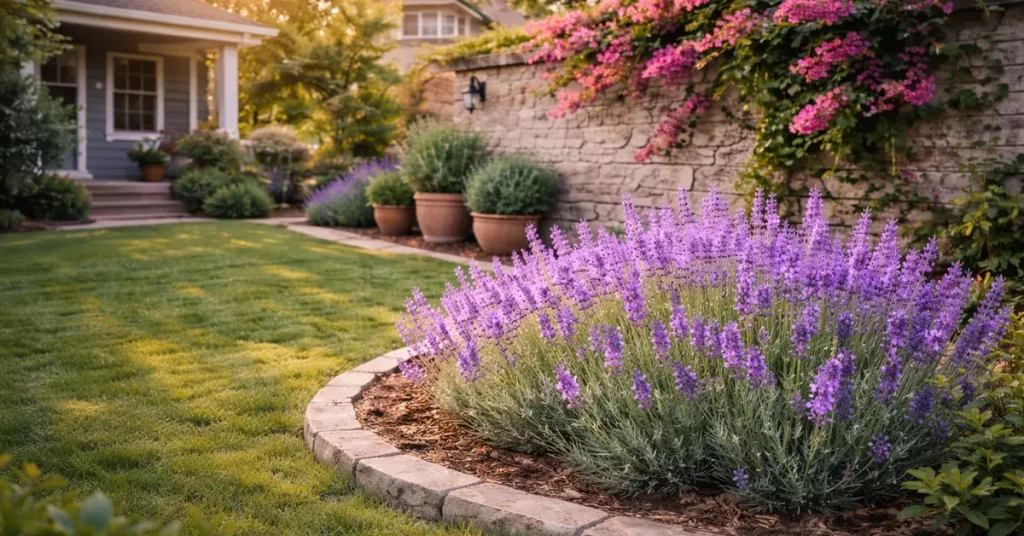
There are many varieties of lavender plants, and choosing the right variety will improve your success rate.
English Lavender: English lavender is a very popular variety that can easily tolerate cold weather, making it considered cold-hardy. Its scent is strong and soothing, and it grows well with minimal care, making it an excellent choice for beginners.
French Lavender: French lavender is an attractive and ornamental plant, known for its beautiful and distinctive flowers. Its shape and color make it very popular for garden decoration. However, it is less tolerant of cold than English lavender.
Spanish Lavender: I have a Spanish lavender plant at my home, and frankly, its unique flower shape sets it apart from other lavender varieties. The flowers have a striking design, giving the garden a premium and decorative look. This plant thrives especially well in warm weather, making it a perfect choice for areas with warm climates like ours. With proper sunlight and gentle care, it stays healthy for a long time and produces beautiful flowers again and again.
How to Plant Lavender (Step-by-Step Guide)
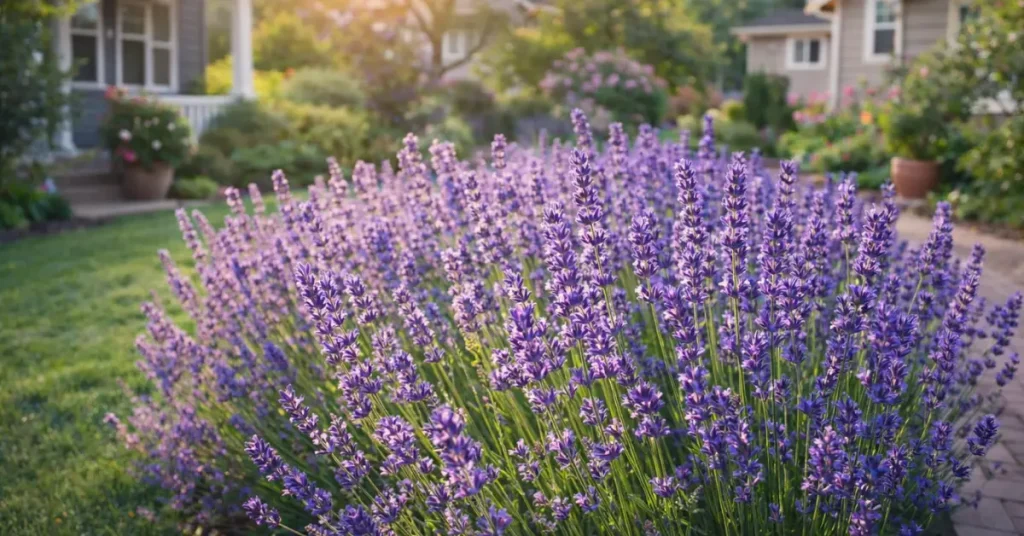
Everyone wants to plant a lavender plant, but how can you plant it so that your plant’s growth success rate is significantly increased? Let me tell you about it.
Step 1: Prepare the Soil
When preparing the soil, first dig it thoroughly to a depth of about 10–12 inches to allow the roots enough space to spread. Next, remove any weeds and stones from the soil, as these can hinder the plant’s growth. Finally, add sand or compost to improve the soil’s drainage, preventing waterlogging and allowing the lavender’s roots to grow healthily.
Step 2: Choose Seeds or Plants
Option 1: Transplants (Recommended)
If you’re a beginner, in my experience, planting small lavender plants (transplants) is the easiest and safest method. I started this way at home, and growth is quite fast because the plant is already slightly developed. It settles in quickly after planting and shows good results in a short time, making it the best option for new gardeners.
Option 2: Seeds
Growing lavender from seeds is a time-consuming process and requires patience. I’ve tried it myself, and it can take about 2–3 weeks for the seeds to germinate. If you are interested in gardening and can devote the time, growing from seeds can also be an experience.
Step 3: Dig the Hole
When I planted lavender at home, I realized how important it is to dig the right hole. Always dig a hole slightly larger than the plant’s root ball so the roots can spread freely and settle in quickly. It’s also important to space the plants correctly—about 12–18 inches apart for smaller varieties and 2–3 feet apart for larger varieties.
Step 4: Plant the Lavender
When I planted lavender at home, I learned that planting the plant correctly is crucial for its healthy growth. Always place the plant in the hole slowly and carefully, so as not to damage the roots. Then, slowly fill in the soil and press down gently so that the plant is firmly in place.
Step 5: Water Properly
When I planted lavender at home, I realized how important proper watering is. Immediately after planting, water lightly to allow the soil to settle properly and provide initial moisture to the roots. However, be careful not to over-moisten the soil, as lavender doesn’t like excess water and can cause root rot.
How to Care for Lavender Plants
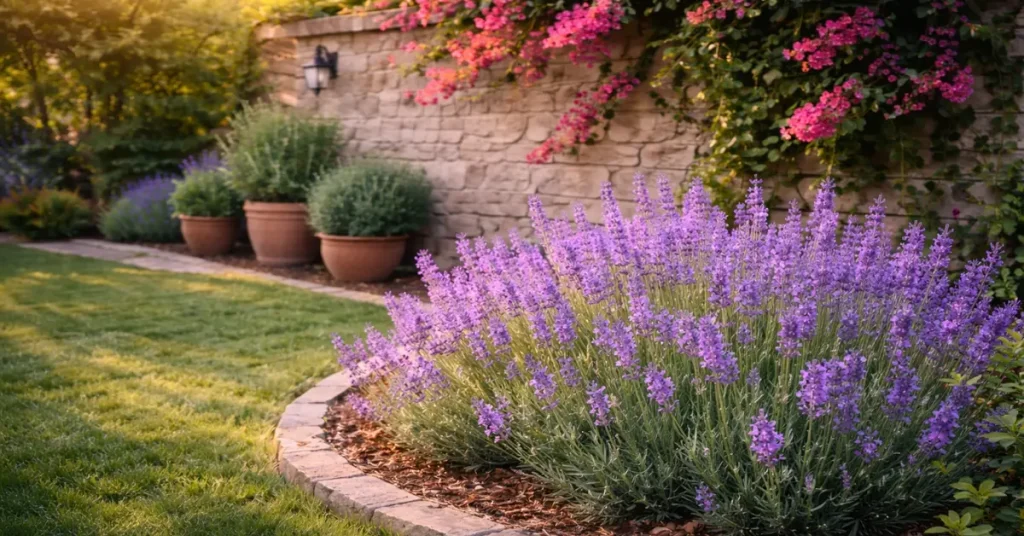
I have taught you how to plant a lavender plant above, but you do not know how to take care of it after planting it so that your plant grows and the flowering is also very good. Let us know how you can take proper care of your lavender plant by following these easy steps. If you want a complete detailed guide, you can also read this lavender care guide.
Watering Schedule
In my experience, the most important thing for lavender is maintaining the right watering balance. It doesn’t need frequent watering, but only when the soil feels completely dry. If you want to understand watering in more detail, you can check this complete guide on how to care for lavender plant. I water my mature lavender plants about once a week, and they remain perfectly healthy. Proper watering helps the plant grow strong and maintain long-term growth.
Pruning Lavender
In my experience, timely pruning is crucial for lavender’s optimal growth. After its flowers have finished blooming, For a complete step-by-step method, check our guide on how to prune lavender plants. lightly trimming the plant to make it healthier and bushier. Removing dead or faded flowers helps the plant focus its energy on new growth, making it denser and more attractive.
Fertilizing
Lavender plants don’t require a lot of fertilizer, and that’s its unique advantage. Lavender grows best in light, nutrient-poor soil, so it’s best to use a minimal amount of fertilizer. An occasional application of light organic fertilizer is fine.
Flowering Cycle
Lavender’s flowering cycle typically begins between late spring and early summer, when the weather is warm and favorable. During this time, the plant produces beautiful purple flowers that enhance the garden’s beauty. Some varieties can even bloom twice a year with proper care and pruning, allowing for a longer flowering period.
Common Mistakes to Avoid
- Overwatering : The biggest mistake is overwatering, which can cause root rot.
- Poor drainage soil : planting in soil with poor drainage also does not allow the plant to grow properly
- Not enough sunlight : Lavender needs a lot of sunlight, hence its growth becomes weak in less sunlight
- Over-fertilizing : Giving too much fertilizer is also harmful, because it can reduce its natural fragrance
- Planting too close together : planting the plants too close to each other does not provide them with proper air and space, which affects their growth
Pests & Diseases
Lavender is a hardy plant that is generally fairly resistant to pests and diseases. However, some problems can occasionally arise, such as root rot due to overwatering, fungal infections due to excessive humidity, and, rarely, aphids. To avoid these problems, it’s important to keep the soil well-drained and dry, and to maintain good air circulation around the plant. With proper care, lavender can remain healthy and disease-free for a long time.
Frequently Asked Questions
Is lavender easy to grow?
Yes, it’s one of the easiest plants if planted in the right conditions.
Does lavender come back every year?
Yes, lavender is a perennial plant.
How long does lavender live?
With proper care, it can live 5–15 years.
Can lavender survive winter?
Yes, especially English lavender varieties.
Conclusion
Lavender is one of those wonderful plants you can grow. With the right amount of sunlight, well-draining soil, and minimal watering, it thrives and requires very little care.
If you follow this step-by-step guide, you’ll not only grow healthy lavender plants but also create a garden full of fragrance, color, and life.
If you have any questions, feel free to ask me in the comment section. I’ll be sure to reply.

My name is Jugraj Singh, the founder and author of Evergreenguides. I share practical tips and real-life insights on indoor and outdoor gardening, plant care, and improving home air quality, helping readers create greener and healthier living spaces.