Miami Air Quality
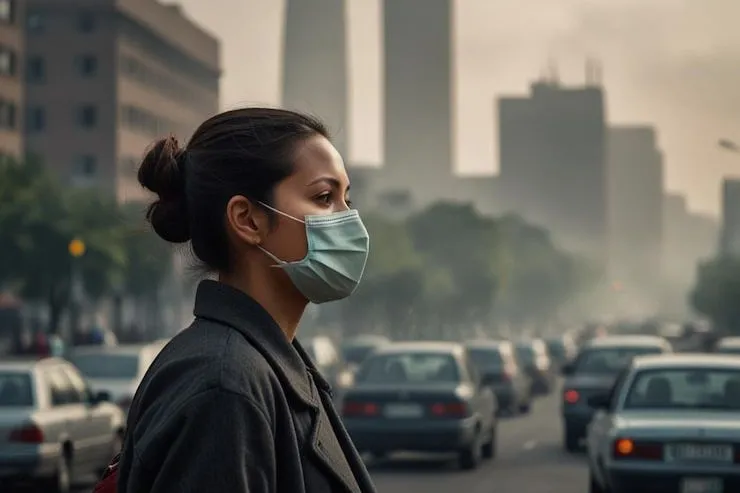
Why is the air so bad in Miami today? It is a question that many people and tourists frequently ask especially when the skies are cloudy and breathing issues or health alerts for unhealthy conditions occur suddenly. Miami known for its warm weather, high-seasonal tourism and breathtaking ocean views is also plagued by chronic air quality problems. There are days that offer cooling ocean breezes, but others bring in allergens, pollutants along with atmospheric pressures, which contain pollutants in the metro area.
Here at Evergreen Guides, we know that being aware of the reasons the air quality is not as good in Miami isn’t just a matter of curiosity. In analyzing the causes and their effects we can see that the quality of air in Miami is not a random occurrence and is due to a combination of geographic, environmental and human factors.
In this blog, we’ll explore the major reasons the air quality bad in Miami can be a concern, the role of weather conditions, pollution sources, and seasonal changes, and what health impacts residents should be aware of. We’ll also provide insights into how individuals and communities can adapt, monitor, and prepare for days when Miami’s skies are not as clean as they should be.
Air Quality Miami – The Basics

To better understand the reasons behind the bad air quality in Miami, let’s first gain a foundational knowledge of air quality measurement and reporting. The geographic location of Miami has an important influence on its air quality. The city is ringed by nature—Atlantic Ocean winds, Everglades marshes, and tropical flora. But this nature has dual implications. Ocean winds may scatter pollutants, yet stationary weather can trap them. Everglades also introduces natural emissions such as volatile organic compounds (VOCs), which react with urban emissions to degrade ozone levels.
For residents in Miami, accessibility to daily Air Quality Miami report is vital. Sensitive populations–children, seniors, and people with asthma or heart conditions–are particularly sensitive to adverse conditions. Therefore that, the environmental observation stations in Florida constantly monitor for pollution and publish current AQI scores for the public to read.
Air Quality Bad in Miami – What Are the Principal Causes?
Now let’s look at why the air quality poor in Miami occurs more frequently than many believe. The most important causes are a combination of local sources of pollution, weather, and outside environmental influences:
1. Vehicle Emissions
Miami is a large metropolitan area with congested traffic. Thousands of vehicles emit nitrogen oxides (NOx), carbon monoxide, and particulate matter. On hot, sunny days, these pollutants mix with sunlight to form ground-level ozone, one of the largest contributors to the reason why the air quality bad in Miami is an issue.
2. Industrial and Port Activities
The Miami economy is driven through its shipping ports and other industries. Ships carrying cargo, cruise lines and planes emit significant emissions. These emissions, along with the local industrial output, are a major contributor to particulate matter as well as sulfur oxides.
3. Weather and Geography
Miami’s subtropical climate brings challenges such as high humidity, excessive heat, and stagnant air. When winds are light, pollutants settle and pile up in the atmosphere adding to the bad air quality in Miami. Temperature inversions—where warm air traps cool air and pollutants at the surface level – also worsen the air quality problems.
4. Wildfires and Regional Smoke
During dry seasons, wildfires from nearby regions, including the Everglades, can drift into the city. The resulting haze is a common contributor to days when residents notice the air quality bad in Miami and feel irritation in their eyes, throat, and lungs.
5. Construction and Development
Miami’s continuous growth means constant construction. Dust, debris, and diesel-powered machinery increase particulate levels. These factors worsen localized air quality, especially in urban development zones.
6. Climate Change Impacts
Global warming is creating hot summers that increase the formation of ozone. Furthermore, increased hurricane activity can increase the amount of pollutants in the air and sea-level rise can threaten natural ecosystems, which typically clean Miami’s air.
Read more:- How Miami Air Quality Impacts Your Health and Daily Life
The Health Impacts of Poor Air Quality

If the quality of air is poor the city of Miami and the effect is not only environmental, it can also directly affect people’s health. population. Short-term exposure to HTML0 can cause eye irritations, headaches and headaches along with coughs and fatigue. Long-term experiments over a period of time increase the likelihood for developing chronic obstructive respiratory disorder (COPD) along with heart disease and premature death.
Children are especially vulnerable because their lungs are not yet fully developed, and they spend more time outside. Older persons and those with chronic conditions are also more susceptible. To realize this is to understand why checking the air quality bad in Miami is not merely a matter of comfort, but of survival and health.
Air Quality Miami – Seasonal Variations
The Air Quality Miami conditions shift according to the seasons. Summer is when intense heat and direct sunlight catalyze the formation of ozone. For this reason, smog warnings are more frequent between May and September. In contrast, winter can introduce harsher winds that blow away pollutants but may also transport wildfire smoke if weather events occur.
Miami’s hurricane season adds another layer of unpredictability. While storms can temporarily clear the air, they can also lead to flooding, mold growth, and debris that contribute to localized air pollution.
Why Is the Air Quality Bad in Miami Today? Real-Time Factors
When someone asks why the air was poor in Miami today, the reason usually has to do with current conditions. Was there severe morning traffic under an aloft weather pattern? Is smoke from wildfires blowing over from a nearby fire? Did industrial production or port emissions surge due to more trade?
Daily variability guarantees that while one day can be breezy in Miami, the next may bring hazy skies. The unpredictability is yet another reason why it is a great idea to stay current on trending updates to the AQI. We at Evergreen Guides always like to recommend residents utilize apps and government sites with real-time air quality monitoring.
Keeping Yourself Safe When the Air Quality Is Poor in Miami
Though people cannot adjust the larger environmental factors, there are positive precautions to take when air bad in Miami becomes an issue:
Check AQI Reports every day on reputable sites.
Restrict outdoor activity during high pollution times, typically late afternoon on very hot sunny days.
- Utilize air purifiers in the home to limit exposure to fine particles.
- Close windows during periods of smoke or high ozone.
- Wear N95 masks when you must go outside for wildfire smoke episodes.
- Support clean causes by taking public transport, minimizing car trips, and campaigning for cleaner energy alternatives.
Read more:- How Much Does Indoor Air Quality Testing Cost?
These steps do not solve the larger issue, but they do limit the health risk.
The Bigger Picture – Miami’s Path Forward
The air quality issues in Miami provides both opportunity and difficulty. Residents, environmental groups, and the local government can force governments to make modifications aimed at reducing modal pollution, developing clean energy, and preserving natural habitats. Since Miami is an international city, it also has the power to be a leader in sustainable practices and cleaner air policies across globe.
At Evergreen Guides, we think that awareness is key. By informing communities as to why the air quality poor in Miami happens and how it can be prevented, we give individuals the power to make decisions that protect their health and fight for systemic reform.
Conclusion
So why is the air so bad in Miami today? It is a multifaceted answer that includes vehicle emissions, industrial operations, climatic conditions, and even wildfires. It is not one cause, but rather a problem in layers that needs to be addressed by both individual measures and societal solutions.
Miami will still experience air quality issues, but through awareness, monitoring, and preemptive action, the people can safeguard themselves and compel cleaner skies. We at Evergreen Guides are determined to continue delivering insights that can guide communities through these environmental dilemmas. Through information and participation, we can all contribute to making Miami’s beauty equaled by the purity of its air.