Have ever wondered why your home does not always appear as clean and healthy it could? A lot of American homes today are experiencing issues with Indoor Air Quality, even when they are clean and maintained. The invisible hazards that we breathe in our air – dust as well as chemicals, mold and other pollutants can cause long-term health problems as well as allergies and discomfort. Here at Evergreen Guides, we believe that every family deserves a healthy air-conditioned, comfortable, and safe environment. However, the question is: what are the primary causes of Indoor Air Quality problems, and how do we identify these before they affect our health?
This article takes a comprehensive examination of the leading reasons for a deteriorated air quality inside U.S. houses. Due to the advancement of contemporary construction techniques including synthetic materials, as well as energy-efficient sealing, air flow can be slowed, which allows pollutant to accumulate. This is what makes Indoor Air Quality testing more crucial than ever before. We at Evergreen Guides, we focus on uncovering the hidden causes that could be causing harm to your health and comfort. This article will look at the most frequent causes of poor indoor air Quality and discuss the ways in which certain products, habits and environmental elements could contribute to the poor Indoor Air Quality in households.
At the end of this article you’ll not only know the science of unhealthy air in your home, but also take practical steps to ensure your home as a cleaner, healthier environment for the family.
Understanding Indoor Air Quality

Before examining the reasons first, it’s essential to understand the basics of what Indoor Air Quality actually means. In simple words, it’s the air quality within or around structures, specifically in relation to the comfort and health of the people living in these spaces. The air inside must be free of dangerous levels of allergens, pollutants and contaminants. If these levels exceed the safe limit that can lead to asthma, respiratory disorders fatigue, and other health problems are greatly increased.
A variety of factors impact Indoor Air Quality, including pollutants from the outdoors that get absorbed into and indoor sources such as cleaning and cooking products as well as the ventilation systems that are designed to aid. Because Americans spend a significant portion of their time indoors, maintaining the best Indoor air quality isn’t just a requirement for an active lifestyle.
Poor Indoor Air Quality
Poor indoor air quality within American homes is the result of a mix of human activities, building materials, and pollutants from outside which enter through windows doors or even cracks. Some issues are obvious, such as the accumulation of dust or the growth of mold, other issues remain in the shadows such as carbon monoxide and volatile organic compounds (VOCs). These invisible pollutants usually create the greatest harm since homeowners don’t know the air is polluted until they experience symptoms.
Common causes of poor indoor Air Quality are:
Dust and allergens are a problem in carpets, upholstery and bedding.
The pet dander lingers in the air, and adheres to surfaces.
Smoke from tobacco emits harmful chemicals and residues.
Inefficient ventilation that reuses air pollution instead of freshening it.
A buildup of moisture that causes the growth of mold and mildew in bathrooms, basements, and kitchens.
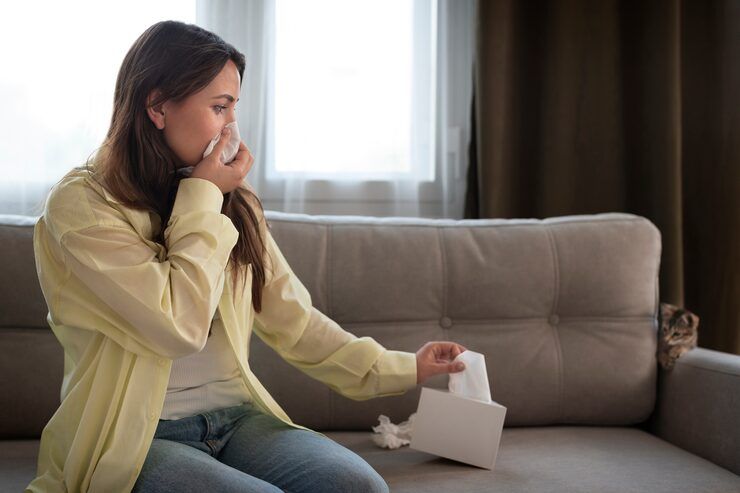
The early warning signs of poor indoor air quality — such as frequent coughing, sneezing headaches, irritation of the eyes or throat is essential. These symptoms are often a sign of allergies that are seasonal, but could be caused by the unhealthy air in your home.
Household Chemicals and VOCs
One of the least-known factors that contribute to the unhealthy air quality in American home is the existence of volatile organic chemicals (VOCs). These substances are present in cleaning products, paints air fresheners, paints, and even in new furniture. Although they might appear to be harmless, exposure for a long time can cause headaches, dizziness and long-term respiratory issues.
In contrast to visible mold or dust VOCs are not visible and smellless, which makes difficult to spot without expert Indoor Air Quality Testing. Reducing the use of harsh chemicals, utilizing environmentally friendly cleaning products, and ensuring adequate ventilation when the process of painting or remodeling can significantly reduce the impact they have on.
Mold, Moisture, and Humidity
Moisture is among the main reasons that homes suffer from poor indoor air Quality. The high humidity levels create the ideal conditions for mildew and mold to flourish. Bathrooms, basements, as well as kitchens are especially vulnerable because of their regular contact with water. Once they become airborne, mold spores may trigger allergies, asthma, and other respiratory ailments.
To avoid mold in the home, it’s essential to check the humidity in your home and keep them within 30 to 50 percent. Utilizing dehumidifiers, fixing leaks, and ensuring adequate ventilation can lower the chance of mold development and ensure healthy Indoor Air Quality throughout the home.
Outdoor Pollutants Entering Indoors
Even if a house appears isolated from the outside pollutants can easily make their way into. Pollen, car emissions and industrial pollutants from outside are able to enter through doors, windows and even ventilation systems. When they are confined indoors, the contaminants can build up, drastically diminuting Indoor Quality of Air. Quality.
This issue is especially important for families who live near traffic-heavy roads as well as industrial zones or areas that are prone to wildfires. Installing air purifiers equipped with HEPA filters and ensuring that you maintain HVAC systems on a regular basis will help reduce the filtration of outdoor pollutants.
How Lifestyle Choices Can Increase Poor Indoor Air Quality

Everyday household activities could unknowingly increase poor indoor air quality. Simple things like burning candles and using air fresheners or cooking with inadequate ventilation release harmful particles to the air. While they may appear to be minor the cumulative effects in time can be harmful.
Smoking indoors, ignoring HVAC servicing, as well as excessively using chemical cleaners are just a few of the most prevalent life-style factors that contribute to the worsening of air quality. Even something as basic as drying your clothes in the house without adequate airflow could increase levels of humidity, encouraging the growth of mold.
Being aware of these practices as well as making mindful lifestyle changes, such as switching to natural cleaning solutions and ensuring adequate ventilation during cooking and limiting smoke exposure greatly improve indoor air quality.
The Role of Indoor Air Quality Testing
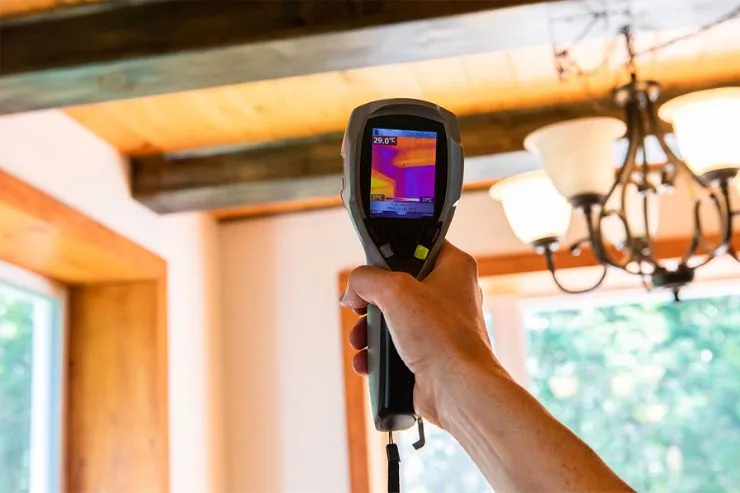
Because the majority of indoor pollutants are not visible and are not visible to the naked eye, it is necessary to conduct expert Indoor Air Quality Testing. This involves analyzing the levels of pollutants, humidity the efficiency of ventilation, as well as other aspects that affect the air quality overall. Regular tests ensure that any hidden hazards like carbon monoxide VOCs or radon are identify before they grow into serious health risks.
Here at Evergreen Guides, we emphasize the importance of testing as it gives homeowners an understanding of what’s infiltrating their homes. With this information family members can take action to remove pollution and improve the indoor atmosphere.
Long-Term Health Impacts of Poor Indoor Air
Inadequate Indoor Air Quality does not just cause temporary irritation, but it can also cause severe health issues that last for a long time. Exposure to pollutants in the indoor air has been link with chronic respiratory ailments, weak immune systems, cardiovascular problems and even cognitive decline. Seniors and children are particularly vulnerable because their immune systems aren’t equippe to fight off the environmental toxins.
By addressing the root causes earlier and adopting prevention measures into the mix, households will be able to prevent the long-term, devastating effects of ignoring air quality.
Conclusion

The air we breathe in our homes plays an increasingly important role in our overall well-being than many of us think. From household chemicals and mold to our lifestyle choices and environmental pollutants many factors contribute to poor indoor Air Quality. If not addressed and taken action these issues could grow into serious health risks.
Here at Evergreen Guides, we are committed to helping families recognize and address these challenges with education, awareness and indoor air Quality testing. Knowing the cause and implementing healthier lifestyles and taking preventive measures are the key to ensuring the safety of your home.
The need to maintain clean, breathable air isn’t just about comfort. It’s about protecting your health and wellbeing for the years to be. All it takes is being aware of and taking action to address the dangers hidden within the air that you breathe in.