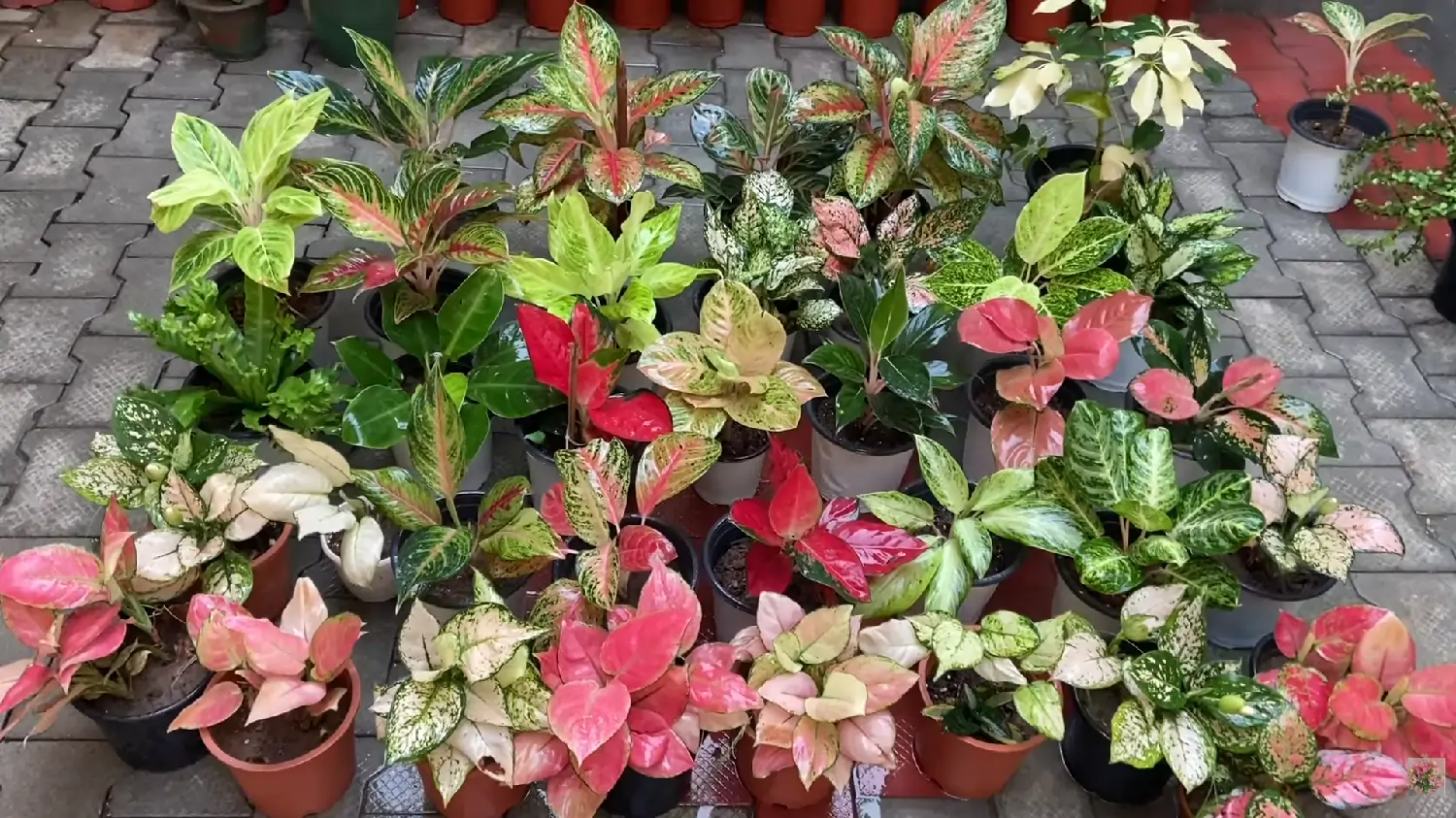
Aglaonema is one of my favorite plants and is a popular indoor plant that is perfect for beginners because it grows well even in low light and doesn’t require much care. Many people search Google for questions like how to care for Aglaonema plant, how often should I water an Aglaonema, can Aglaonema grow indoors, how big does an Aglaonema grow, or how to propagate Aglaonema. If you’re looking for answers to these questions, this guide will be very useful.
With the right light, limited watering, and basic care, Aglaonema can stay healthy indoors and look green and fresh for a long time. In this post, we will explain topics like Aglaonema growth, watering schedule, indoor maintenance, and propagation in simple language, so that any beginner can easily grow and maintain their Aglaonema plant without any confusion.
What Is Aglaonema Plant?
Aglaonema, also known as the Chinese Evergreen, is an indoor plant that grows well even in low light conditions. The biggest advantage of this plant is that it doesn’t require much maintenance, making it perfect for beginners. Keeping it in the living area enhances the beauty of the home. This is why the Aglaonema plant has become quite popular for indoor decoration in the United States. People also gift this plant.
But if you have pets at home, the Aglaonema plant is toxic to cats and dogs, so you should keep it away from their reach.
Does Aglaonema Grow Indoors?
Aglaonema is a plant that grows very well in indoor environment, hence it is mostly kept as an indoor plant. This plant remains healthy in indirect sunlight and grows without any problem at normal room temperature. Aglaonema should be kept in a pot which has proper drainage holes, so that water does not accumulate in the roots. Be careful not to keep this plant in direct sunlight, because strong sunlight can burn its leaves and affect the growth of the plant.
If you want to bring other flower plants into your home along with Aglaonema, then you must read How to Grow Flowers Indoors. I have created a complete guide in this post, so be sure to read it.
How to Care for Aglaonema Plant
Now let us see how you can take care of Aglaonema plant.
Light Requirement: Bright, indirect light is considered best for the Aglaonema plant, but it also survives well in low light conditions. This makes it a popular indoor plant. Be careful not to place the Aglaonema in direct sunlight, as strong sunlight can burn its leaves and cause brown spots.
Soil Requirement: Well-draining soil is required for the healthy growth of Aglaonema, so that water does not stagnate in the roots. A mix of garden soil, coco peat and a little sand is considered best for this plant, as it keeps the soil loose and allows excess water to drain easily. Planting Aglaonema in heavy or sticky soil causes the roots to become compacted, which can eventually lead to the plant’s death.
Temperature: Aglaonema isn’t a particularly demanding plant when it comes to temperature, but it does best between 18°C and 30°C. Normal room temperature is perfect, so it’s easy to grow indoors.
Also Read: Best Indoor Plants for Air Purifying — Pet-Safe
How Big Does Aglaonema Get?
Aglaonema is not a very big plant, when I brought my Aglaonema plant snow white home, it was only 1 feet tall and its leaves were a little small but as it grew, its leaves also became bigger and now the size of my Aglaonema plant is 2.5 feet and it grows up to 3 feet tall.
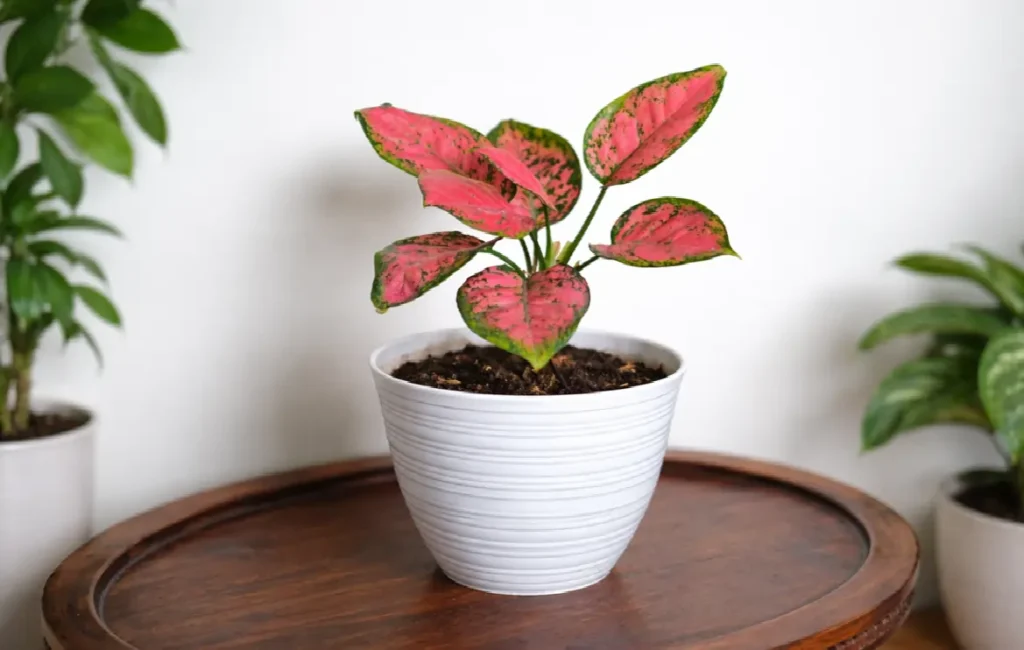
How to Propagate Aglaonema
Chinese evergreens can be propagated in three ways: in soil, in water (both from stem cuttings), and by division (using offsets). Let’s take a look at how each of these works.
1. How to Propagate Aglaonema in Soil
The most reliable way to propagate Aglaonema is through stem cuttings in soil, as this method usually gives a higher success rate. To begin, choose a healthy Aglaonema plant and cut a stem that is around 4 to 6 inches long, making sure the cut is just above a node. If you want faster and stronger root growth, you can dip the cut end into rooting hormone. Take a small pot and fill it with fresh, well-draining potting soil, leaving some space at the top. Gently insert the stem cutting into the soil and press the soil lightly around it to remove any air gaps.
Place the pot in a warm location with bright but indirect light and water it regularly. With proper care, new roots usually start developing within a few weeks.
2. How to Propagate Aglaonema in Water
Another popular method is propagating Aglaonema in water, which is easy and beginner-friendly. For this, cut a healthy 4 to 6 inch long stem just below a leaf node. The cutting should have at least one node and a few leaves. Fill a clean glass jar or container with overnight or filtered water and place the cutting inside, making sure the leaves remain above the water surface. Keep the jar in a warm place that receives bright, indirect sunlight and change the water once or twice a week to keep it fresh. After a few weeks, you will notice new roots growing from the node. Once the roots are about 2.5 cm long, you can transplant the cutting into a pot with fresh soil and continue caring for it like a regular Aglaonema plant.
3. Aglaonema Propagation by Dividing the Offsets
Aglaonema can also be propagated by dividing the offsets, which are small baby plants that grow at the base of a mature plant. To do this, gently remove the parent plant from its pot and carefully look for offsets attached to the main root system. Slowly separate these offsets from the parent plant, using a clean knife if necessary, while making sure the roots are not damaged. Plant each offset into a separate pot filled with fresh, well-draining soil. Water the newly potted plants thoroughly and place them in a warm spot with indirect light so they can settle and grow properly.
Can Aglaonema Grow in Water?
I have just mentioned 3 methods to propagate Aglaonema plant, and yes Aglaonema plant can be propagated easily in water, but only for short term. Roots develop easily by keeping the stem cutting in water, hence this method seems quite easy for beginners. But keeping Aglaonema only in water for long term is not right, because in water the plant does not get the nutrients that it gets from the soil. Due to this, after some time the growth slows down and the leaves also start looking weak. If you want healthy and long-lasting Aglaonema, then transplanting the plant in soil after water propagation is the best option.
Why Aglaonema Leaves Turn Yellow?
The most common cause of yellowing Aglaonema leaves is overwatering, when the soil remains stagnant for extended periods, preventing the roots from breathing. Poor drainage, such as a pot without proper drainage holes, can also cause yellowing of the leaves.
Sometimes, direct sunlight can also cause Aglaonema leaves to appear yellow or burnt, as this plant prefers indirect light. Overfertilization can also be a cause of leaf discoloration.
Solve this problem, reduce watering slightly, check the drainage of the pot and place the plant in a place with bright but indirect light, so that the Aglaonema starts looking healthy and green again.
Is Aglaonema Easy to Care For?
Aglaonema is considered an easy-to-care indoor plant because it doesn’t require much daily maintenance. It grows well in low light and survives normally in normal room temperatures without any problems. This makes Aglaonema a perfect plant choice for beginners where regular care is difficult. With a little basic care, this plant remains green and fresh for a long time.
Conclusion
Overall, Aglaonema is a beautiful and low-maintenance indoor plant suitable for everyone from beginners to experienced plant lovers. With the right light, limited watering, and basic care, this plant grows well in indoor conditions, and it’s also very easy to propagate.
FAQ
Q1. Is Aglaonema easy to grow indoors?
Yes, Aglaonema is very easy to grow indoors
Q2. Can Aglaonema grow in low light?
Yes
Q3. Why are my Aglaonema leaves turning yellow?
Yellow leaves are mostly caused by overwatering or poor drainage.