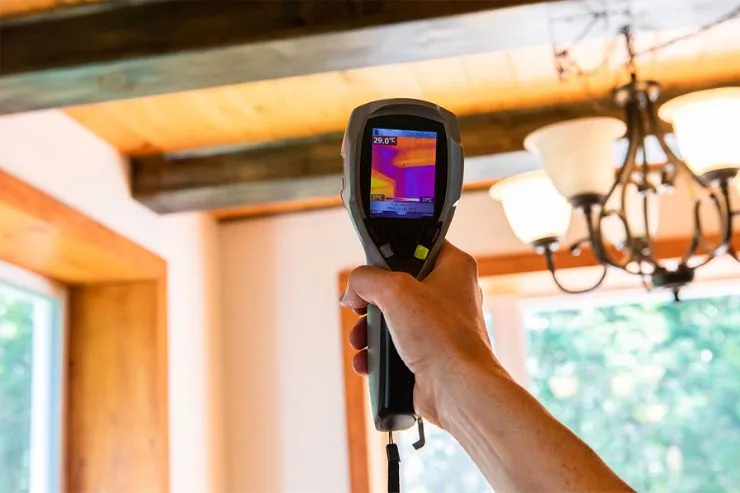
In the recent years, the subject of Indoor Air Quality (IAQ) has garnered great attention as a health and safety concern. According to the Environmental Protection Agency (EPA), the air inside is normally anywhere between 2 and 5 times dirtier than outdoor air. Such phenomena are principally due to molds, volatile organic compounds (VOCs), radon, asbestos, and so on. Because an average individual spends about 90 per cent of his day inside a building, IAQ stands for the body, comfort, and productivity.
This is a major concern to homeowners, property managers, and business owners: What is the cost of testing indoor air quality?
The simple answer is that it depends on the kind of testing, the size of the property, and whether you can do it with a DIY kit, or you are going to get a professional. Depending on the average, testing may go between $20 on simple DIY kit to more than 1,500 on an in-depth professional test.
We will deconstruct all the information you need to know about the cost of IAQ testing, including the types of tests, their cost, the variables that determine the cost, and the unknown long-term benefits of the appropriate air quality monitoring.
The Importance of Tests on the Quality of Indoor Air.

It is worth noting that before plunging into costs people should know why they want to test the quality of air in their homes in the first place. Through IAQ testing, it is not only about comfort, but also about health, safety, property value.
1. Health Concerns
The low level of indoor air quality may cause or aggravate multiple health issues:
- The respiratory problems include asthma, allergies, and chronic bronchitis.
- Migraine headaches, vertigo and poor concentration may also be signs of exposure to other chemicals.
- Risks that might occur in the long run such as lung cancer due to radon exposure or asbestos fibers.
They pose a particular risk to families with children, elderly adults, or immunocompromised people, and IAQ testing is one of the preventative measures to guarantee health success.
2. Real Estate Transactions
IAQ testing may be requested in cases when home buyers and sellers are conducting property inspections. The problems of radon, mold or asbestos may have a significant impact on property value and early detection of these problems can prevent unpleasant surprises during the closing negotiations.
3. Workplace Safety
It is the legal and ethical role of businesses to create safe indoor environments. The low quality of air in offices, factories, or even schools may cause high levels of absenteeism, poor performance and even fines imposed by the authorities.
4. Post-Renovation or New Construction
New materials tend to release VOCs such as formaldehyde. The testing following renovation can make sure that the air is not toxic or dust can be remaining in the air.
Kinds of tests of Indoor Air Quality.
Not all IAQ tests are the same. Others specialize in the analysis of one pollutant, whereas others give a detailed evaluation of the various pollutants. The most prevalent types are the following:
1. Radon Testing
- In home foundations taking in radioactive gas, this is what these tests are really supposed to look at.
- Why it matters: Leading cause of lung cancer among non-smokers.
- Testing method: Short-term (2–7 days) or long-term (90+ days) kits; professional continuous monitoring available.
2. Mold Testing
- What it checks: Airborne mold spores and surface contamination.
- Why it matters: Mold causes allergic reactions, asthma flare-ups, and in some cases, serious infections.
- Testing method: DIY petri dishes, spore traps, or professional air sampling with lab analysis.
3. VOC & Formaldehyde Testing
- What it checks: Gases released by paint, cleaning products, furniture, carpets, and adhesives.
- Why it is important: Exposure to VOCs may give rise to headaches, feelings of dizziness, liver/kidney damage or cancer in the long term.
- Testing method: Sorbent tubes, handheld monitors, or lab-based sampling.
4. Asbestos & Lead Dust Testing
- What it checks: Fibers or particles from old insulation, flooring, or paint.
- The reason: why it is important is because the exposure of asbestos causes mesothelioma; exposure of lead dust to the brain of children negatively affects their brain development.
- Method of testing: It is highly advisable that it is professionally collected and lab analysed.
5. Comprehensive IAQ Assessments
- What it measures: General assessment of temperature, humidity, CO2, carbon monoxide, particulate matter, and mould, VOCs, etc.
- Why it matters: Provides a holistic view of air quality, particularly valuable for workplaces and sensitive households.
Average Cost Breakdown
Next we will consider the average price of the IAQ testing of various methods.
DIY Test Kits
- Price range: $20–$150
- Examples: Basic mold plates, short-term radon kits, formaldehyde strips.
- Pros: Affordable, easy to use, quick results.
- Cons: Low accuracy, can not identify a large number of pollutants, unconfirmed in the laboratory many times.
Professional IAQ Inspections
- Price: $250 to $600 (average) and up to 1,000 and more on large/commercial buildings.
- What’s included: On-site inspection, air/surface sampling, lab analysis, detailed report, recommendations.
- Pros: Accurate, reliable, often legally accepted in real estate or workplace contexts.
- Cons: Higher upfront cost compared to DIY kits.
Specialized Test Costs
The following is a closer view of the particular costs of testing:
Radon Testing
- DIY kits: $20–$200
- Professional tests: $150–$800
- Long-term tracking devices could cost 200-400 initial cost.
Mold Testing
- DIY kits: $30–$100 (lab fees may add $40–$60 per sample)
- Professional testing: 300-900 based on the size and quantity of the samples of the property.
VOC & Formaldehyde Testing
- DIY kits: Rare but available around $100–$200.
- Professional tests: $200–$500+ for targeted VOC panels.
Asbestos & Lead Testing
- Professional only: $300–$800 depending on the number of samples and lab costs.
- Not a DIY as it is not health-safe when collecting it.
Whole building IAQ Assessment.
- The cost ranges between 300 and 1500, depending on the size of the home, the amount of tests involved and the geographical location.
Factors Influencing Costs

The overall cost of IAQ testing may be influenced by a number of variables:
- Size of Home or Building
More sampling points are needed to sample a larger property at a greater cost. - Geographic Location
Prices vary by state and city. Cities that are more restrictive might be more expensive. - Number of Pollutants Tested
One radon test is cheaper than a full-panel test that includes radon, mold, VOCs, and asbestos among others. - DIY vs. Professional
While DIY saves money upfront, professional testing offers higher reliability and often includes actionable remediation advice.
Read more:- Which Factor Would Increase Poor Indoor Air Quality?
When Should You Invest in Professional Testing?
While DIY kits may be sufficient for initial screening, professional IAQ testing is strongly recommended in the following cases:
- Continuous complaints of health (coughing, headaches, fatigue, allergies).
- When renewing or constructing a building, building materials can emit toxic chemicals.
- Prior to purchasing or selling any property particularly in the regions where there is known history of radon or mold.
- High-occupancy work places where the quality of air is poor and classifies as a liability legally.
Often Unseen Costs and Long run Saving.
Other individuals are reluctant to pay 300-1500 professional test, but the financial returns in the long run are usually worth more than the expenditure.
Cost of Ignoring IAQ Issues
- Medical bills: Treating asthma or respiratory infections caused by mold can run thousands of dollars per year.
- Housing losses: The cost of mold cleaning may range between $2,000 and 10,000 and above in case of untreated mold.
- Inefficiency in energy: Lack of proper ventilation and humidity control increases the cost of heating and cooling.
Preventive Value of Testing
IAQ testing is useful because it identifies pollutants at their initial stages.
- Minimize long term medical costs.
- Preserve property value during resale.
- Enhance productivity in the work place and minimize absenteeism.
Conclusion
What is the cost of indoor air quality testing then?
- DIY kits: $20–$150
- Professional testing: $250–$600 (average)
- Specialized tests: $150–$1,500 depending on the pollutant and property size
Professional testing can be relatively costly, but it is a minor price to pay when compared to the possible health hazards and the costs of properties that would be incurred when concerns regarding air quality are ignored.
Actionable advice:
- Look at DIY test to start with when you are in suspicion that something wrong is going on and you are in a state of doubt then you get professional testing done.
- Professional testing should be given priority when selling or purchasing property, when becoming ill especially when there is no real cause, or when the family members experience unnecessary illnesses.
- Choose a certified IAQ professional with experience, lab partnerships, and transparent pricing.
Taking into consideration indoor air quality testing as a form of preventive healthcare to your home or workplace, you prevent the health of people inside as well as preserve the long-term value of your property.