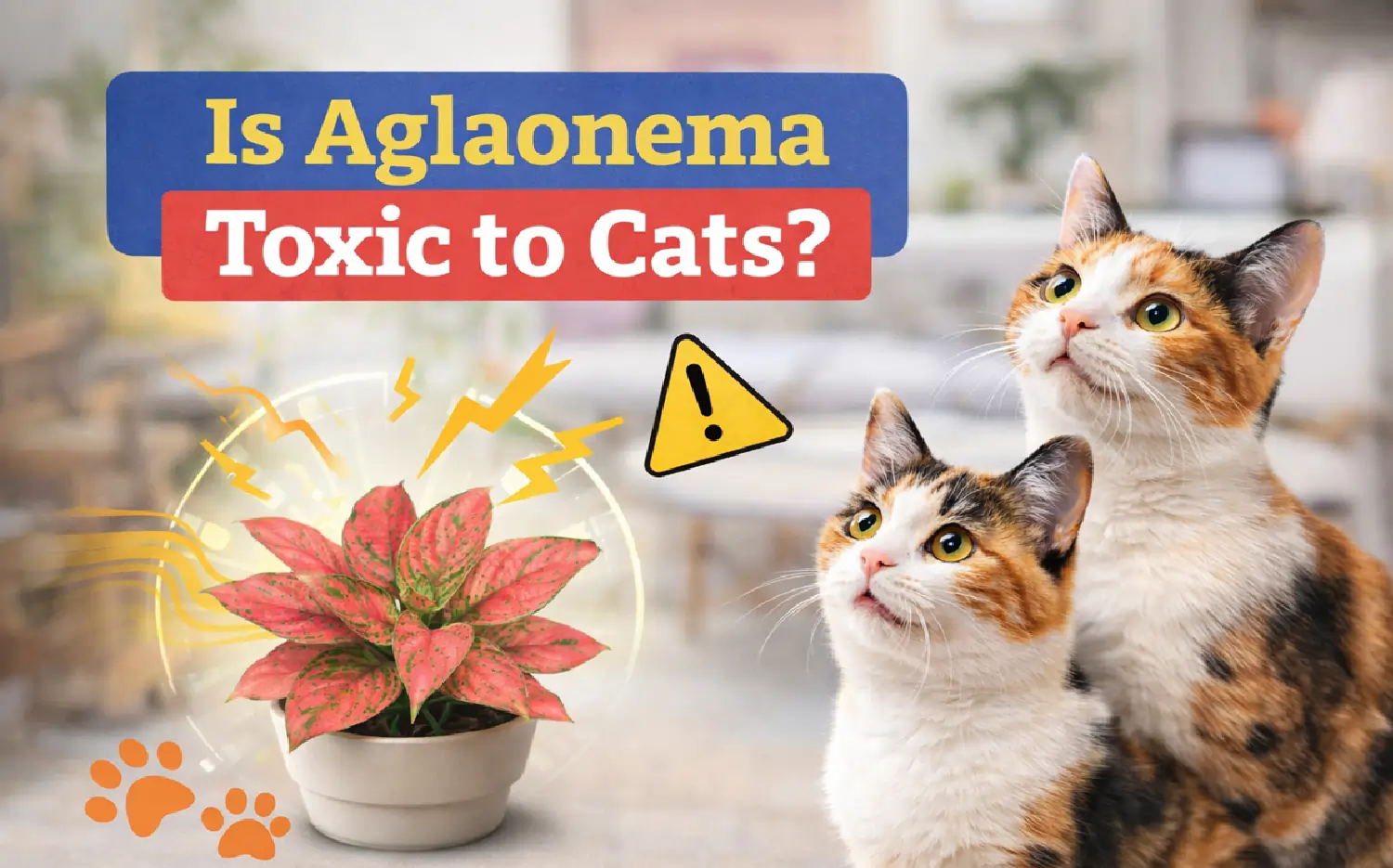
We wrote a blog post a few days ago called Best Indoor Plants for Air Purifying Pet-Safe but in this guide we covered only those plants which were pet safe. In such a situation, one of our readers asked us whether Aglaonema plants are toxic to cats, so I told that Aglaonema, also known as Chinese Evergreen, is not safe for cats. The leaves and stem of this plant contain calcium oxalate crystals, which can cause severe irritation in the mouth and digestive system of the cat.
If a cat chews or ingests Aglaonema, it may immediately show symptoms such as discomfort, drooling, and vomiting.
Why Are Aglaonema Plants Toxic to Cats?
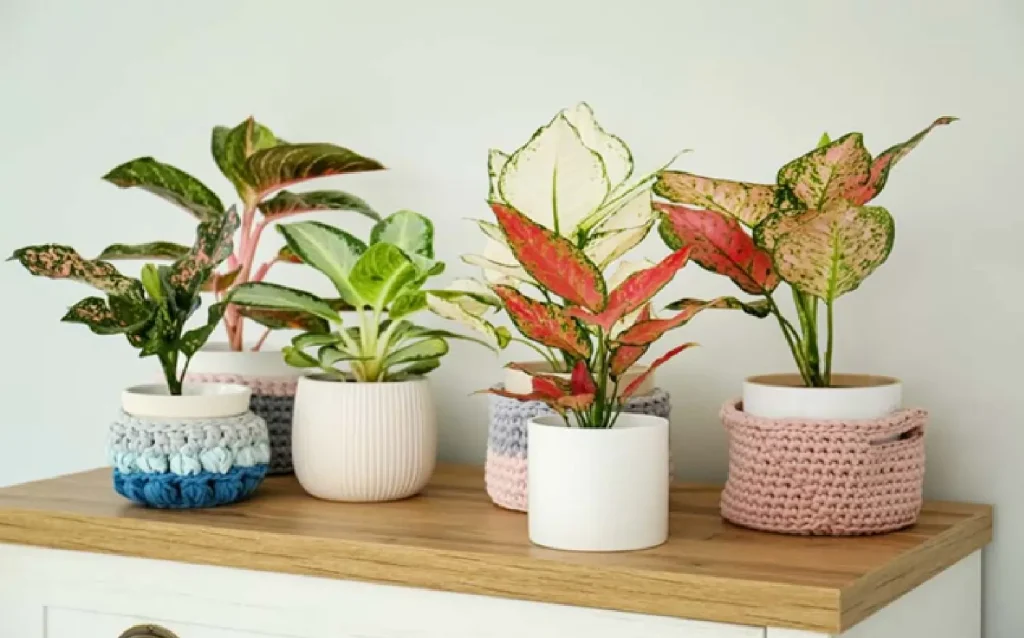
Aglaonema plants are beautiful to look at and come in many varieties. Aglaonema plants naturally contain insoluble calcium oxalate crystals. If a pet accidentally chews on any part of the plant, it can cause irritation to the tongue, lips, and throat, and excessive drooling may occur in response to the pain.
This toxicity is not due to chemical poisoning, but rather due to mechanical irritation.
Symptoms of Aglaonema Poisoning in Cats
If you think your cat has swallowed or chewed on an Aglaonema plant, there are some common symptoms to look for. Cats often start drooling excessively and may be seen repeatedly rubbing their mouth or tongue with their paws, a sign of mouth irritation.
Symptoms such as vomiting, swelling of the lips or tongue, and difficulty swallowing may also occur. In some cases, the cat’s appetite may decrease and she may appear lethargic or unusually tired.
What to Do If Your Cat Eats Aglaonema
If your cat has chewed on an Aglaonema plant, the first step is to immediately remove the plant from the cat’s reach. This eliminates the risk of further ingestion and keeps the situation under control.
If you see small pieces of plant material in your cat’s mouth, try to gently and safely remove them. Do not force the cat during this process.
After this, it’s important to talk to a doctor (veterinarian). Even if the cat doesn’t seem well, it’s still safe to consult a doctor. Only a doctor can accurately determine whether the cat has a problem and, if necessary, what medication or treatment should be given. This protects the cat’s health and helps control problems before they become serious.
Observe the cat closely for the next 24 hours. If symptoms such as swelling, continuous vomiting, or breathing difficulty appear, ensure an immediate veterinary visit.
Is Aglaonema Fatal for Cats?
Aglaonema plant isn’t fatal to cats in most cases, but it can cause serious problems like painful mouth irritation, frequent vomiting, and dehydration. According to veterinary experts, these symptoms can cause significant discomfort to cats and, if not addressed promptly, can lead to further health problems. Therefore, with pet safety in mind, Aglaonema is not recommended for cat-friendly homes.
If you absolutely must have plants in your home, we’ve compiled a list of the best air purifiers that are safe for cats.
Are All Aglaonema Varieties Toxic to Cats?
If you are thinking that only Chinese Evergreen Aglaonema is toxic, then it is not so; all the varieties of Aglaonema are toxic. according to plant experts and veterinary sources, every variety of Aglaonema contains calcium oxalate crystals, which irritate cats’ mouths and throats. Therefore, regardless of the variety, it’s important to keep Aglaonema away from cats for pet safety.
Cat-Safe Indoor Plant Alternatives
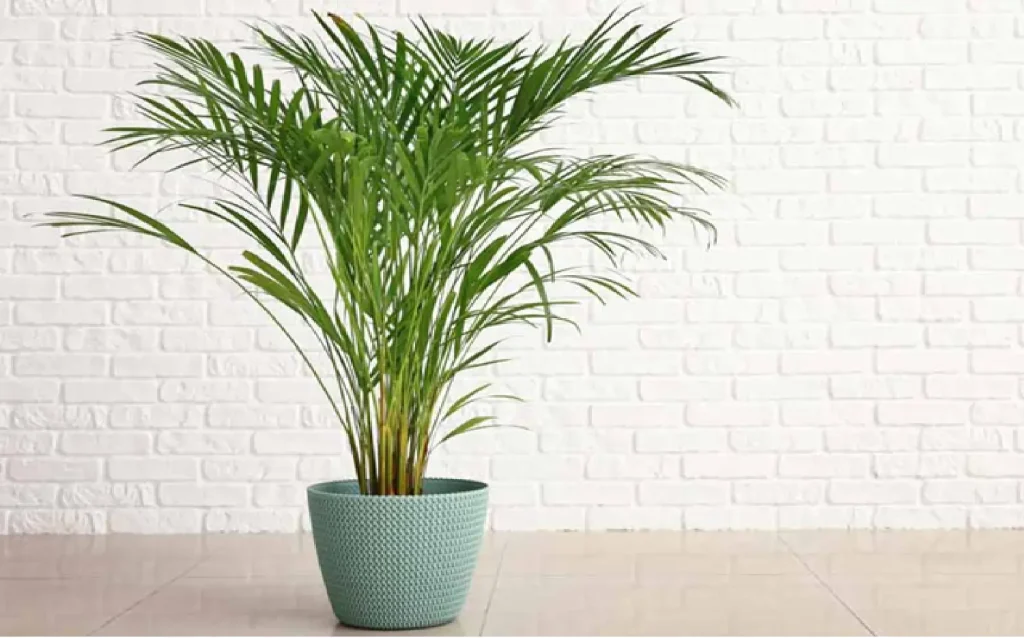
If you like indoor plants and have a cat, choose these safe alternatives: Areca Palm, Spider Plant, Calathea. These plants are non-toxic, improve indoor air quality, and most importantly, they are pet-safe.
If you enjoy growing plants at home, choosing the right ones is crucial. If you want to learn how to grow flowers indoors, you should definitely read our complete beginner’s guide on how to grow flowers indoors to keep your home green and healthy.
How to Keep Cats Away From Toxic Plants
If you already have an Aglaonema plant in your home, it’s important to follow a few simple steps to ensure your cat’s safety. always keep the plant on a high shelf or somewhere out of reach of cats to prevent them from chewing on it.
You can also use hanging planters, which keep the plants off the ground. Some people use pet-safe bitter apple spray, which can deter cats from going near the plant.
Conclusion
The Aglaonema plant is beautiful to look at, but it’s not safe for cats. This plant contains crystals that can irritate a cat’s mouth and stomach. In most cases, this isn’t fatal, but it can cause significant pain and discomfort to the cat. Therefore, you should always choose pet-safe plants in your home.
FAQ
Q1. Are aglaonema plants toxic to kittens?
Yes, kittens are more sensitive than adult cats.
Q2. Is Chinese Evergreen safe for pets?
No, Aglaonema plants of any variety are not safe.
Q3. Can touching aglaonema harm cats?
No, only ingestion causes problems.
Q4. Are there pet-safe options at the plant?
Yes, you can plant Areca Palm in your home.