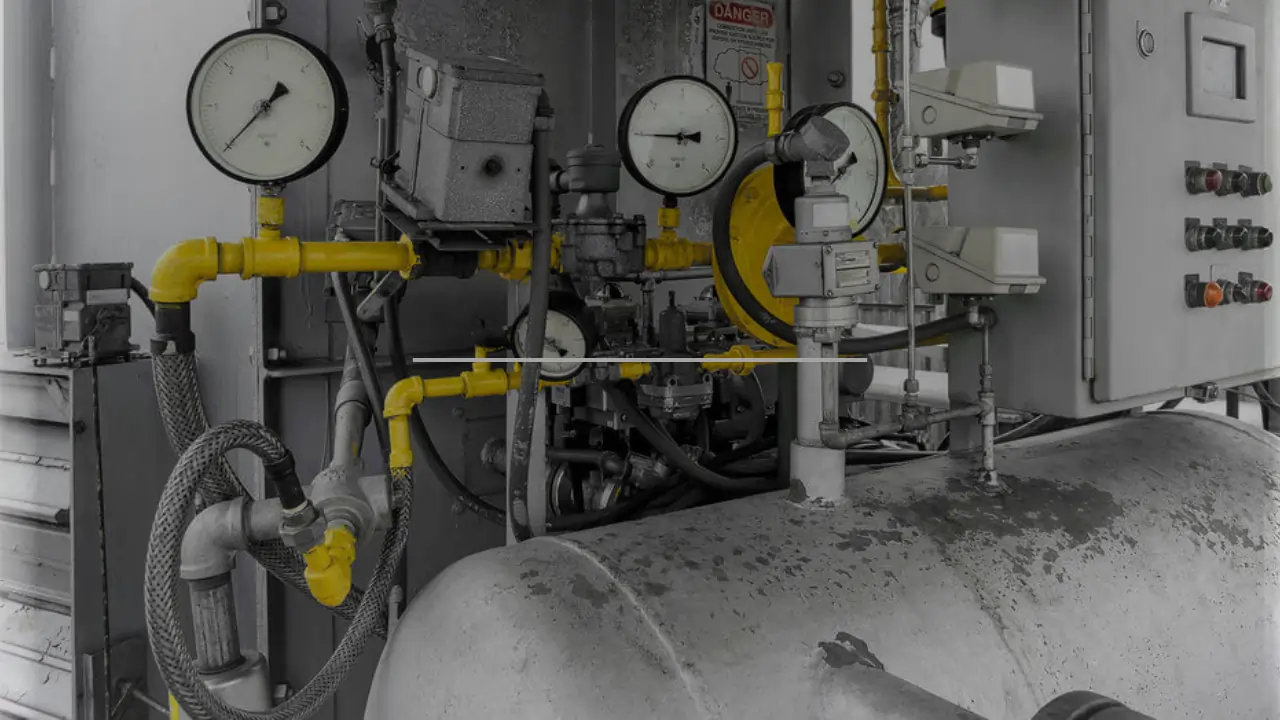
Compressed air is often used in industries, and this compressed air is also filled in car or bike tyres but there is no need to check its quality, but if it is being used in industry then its quality should definitely be checked and in many industries compressed air is considered clean whereas in reality, the air is polluted with oil, water and dust.
If you want to check the quality of compressed air, this blog post will explain the standards, testing methods, tools, and best practices to ensure your compressed air is clean, dry, and safe.
What Is Compressed Air Quality?
Compressed air quality means: how many dust particles are in the air, how much moisture/water is there, whether there is oil contamination or not, if these three things are not under control then: machine may get damaged, product get rejected, maintenance cost increases.
Ex: In an automobile parts factory, pneumatic tools suddenly started getting jammed. After checking, it was found that there was rust and water accumulated in the air line due to which the dryer was not working. As a result, after this compressed air quality test, the dryer was replaced and production became normal.
Why Is It Important to Check Compressed Air Quality?
Industries like automobile, pharmaceuticals, food & beverage, electronics, hospitals, and manufacturing must strictly monitor air quality.
Major Reasons:
- To extend machine life
- To prevent product contamination
- To reduce energy and repair costs
- To comply with ISO standards
Compressed Air Quality Standards (ISO 8573)
The ISO 8573 standard was first implemented in 1991, developed by the International Organization for Standardization (ISO) to ensure a global uniform measurement of compressed air quality. This standard measures three things in compressed air – dust/particles, water (moisture) and oil – and assigns a class number to each. The lower the class number, the cleaner the air is. The system works in such a way that air samples are taken using special instruments, then it is checked how many particles are present in the air, what is the dew point and how much oil vapor is present, and on that basis the ISO class is decided.
How to Check Compressed Air Quality in 2026
Now let me tell you how and with which equipment you can check the compressed air quality.
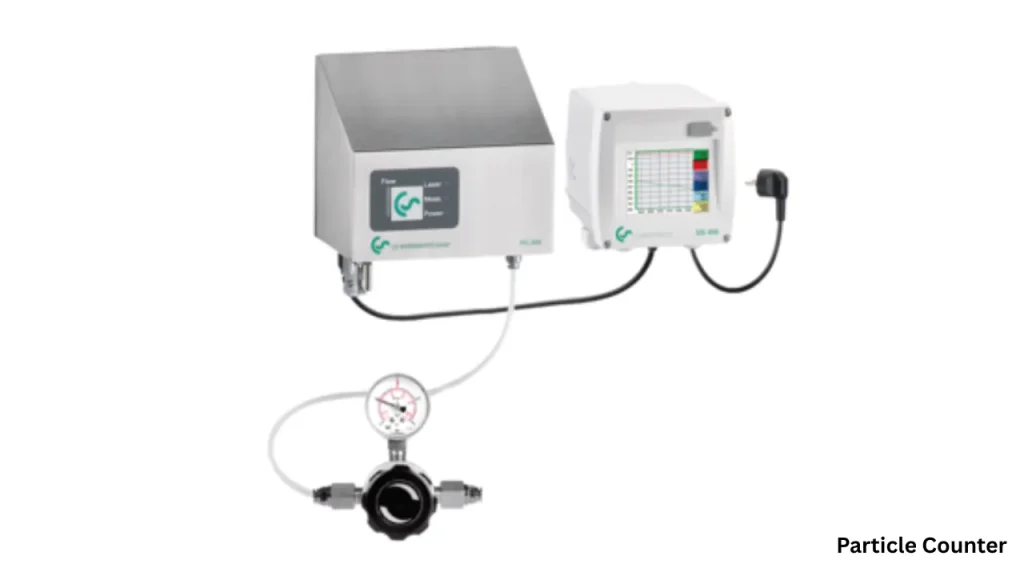
1. Check for Solid Particles
Compressed air contains dirt (dust), water, and oil, which can damage machines and products. Therefore, we test the air to determine whether it’s clean or dirty. A particle counter measures the amount of dirt, a dew point meter/moisture tester measures water (humidity), and an oil test kit or oil vapor analyzer checks for oil contamination. If the air is clean, machines perform well, products remain safe, and there’s no damage.
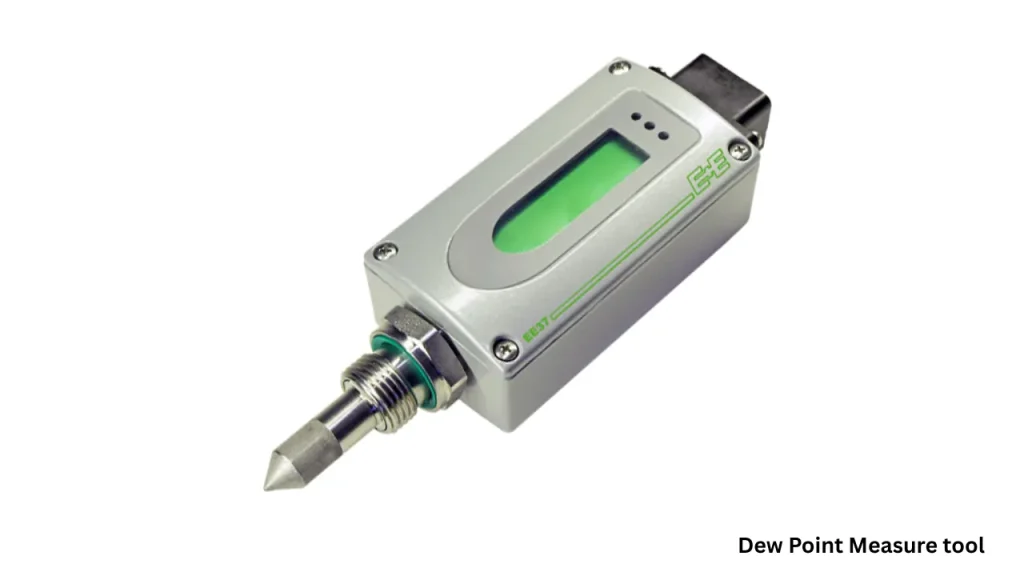
2. Measure Moisture & Dew Point
How to check compressed air quality It is very important to check moisture and dew point because water in compressed air is the most dangerous. In simple words, if there is water in the air then the pipes will rust and the machine will get damaged. To check this, condensate is seen on the dew point sensor, moisture analyzer and drain point. If water drips from the air line, corrosion is seen in the pipes or the air line gets frozen in cold, then understand that the compressed air quality is bad.
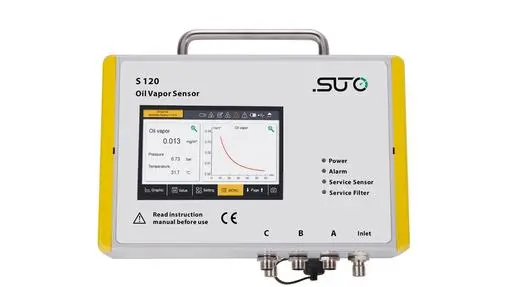
3. Check Oil Content
Checking oil content in compressed air quality is very important because oil in compressed air is invisible to the eye but can cause serious damage to food, pharmaceutical and electronics products; To check for oil contamination, an oil vapor analyzer is used which measures oil vapor (mg/m³) in the air; oil aerosol test kits detect small droplets of oil and lab-based air sampling is the most accurate method used for ISO certification; this oil can come from high tar compressor lubricants, ambient hydrocarbons or poor filtration; According to ISO 8573, ISO Class 0–1 is considered safe (for food and pharmaceuticals), Class 2–3 is for limited use, and if the oil exceeds ISO Class 4 or higher, it is dangerous, which can lead to product contamination, taste change, medicine failure, and damage to electronic components.
How Often Should You Check Compressed Air Quality?
Now let us also know when to check the most important compressed air according to the industry.
Food / Pharmaceuticals: In the food/pharma industry, you should check the quality of compressed air on a monthly basis. If the machine hasn’t been used for two to five days, it should be checked before use. After checking, attach a testing tag that states who checked the quality of the compressed air, the date, and the next due date.
Hospitals: Generally, hospitals check compressed air every 20 to 30 days, and we covered this in our previous blog post Best Air Quality Management Solutions for Hospitality Industry. So, you should always maintain good air quality in the hospital, whether it is indoor air quality or compressed air quality.
General Industries: In general industries like automobile and manufacturing units, the quality of compressed air should be checked every 6 to 12 months.
Note: Before checking compressed air quality, it is essential that the equipment or instrument being tested is properly tested and calibrated. If the calibration of tools such as dew point meters, particle counters, and oil vapor analyzers is incorrect, the readings will be inaccurate, which could also lead to inaccurate compressed air quality results. Therefore, in addition to following a compressed air quality testing schedule, periodic calibration and verification of the testing instruments must also be ensured beforehand. Only then can the test report be considered reliable and in accordance with ISO standards.
Conclusion
Compressed air is often assumed to be clean and safe in industry, when in reality this air is often contaminated with oil, water and dust, which can pose serious risks to machines, products and processes. In this blog post we clearly explain what compressed air quality is, what role the ISO 8573 standard plays, and how to check compressed air quality using the right tools such as a particle counter, dew point meter and oil vapor analyzer.
FAQ
Q1. Why is it important to check compressed air quality?
Compressed air can contain oil, water and dust which damages machines and increases the risk of product contamination, so quality checks are essential.
Q2. How do you check compressed air quality?
To check compressed air quality, dust is checked with a particle counter, water with a dew point meter/moisture analyzer and oil contamination with an oil vapor analyzer or oil test kit.
Q3. What is ISO 8573?
ISO 8573 is an international standard that divides the quality of compressed air into classes based on particles, moisture and oil.
Q4. Is calibration of testing equipment necessary?
Yes, if the testing tools are not properly calibrated then the readings will be wrong and the test report will not be reliable.

My name is Jugraj Singh, the founder and author of Evergreenguides. I share practical tips and real-life insights on indoor and outdoor gardening, plant care, and improving home air quality, helping readers create greener and healthier living spaces.